Heating Contractor Maintenance Tips for Reliable Home Heat
The first cold snap of the season has a special talent for exposing every weak link in a heating system. The furnace that “worked fine last year” suddenly sounds like a washing machine full of gravel. The heat pump coughs out lukewarm air with the confidence of a tired hair dryer. The thermostat insists it is 70 degrees while everyone in the living room is wearing socks thick enough to qualify as structural insulation.
Reliable home heat is not magic. It is maintenance, timing, and a little professional suspicion. A good heating contractor learns to distrust silence, dust, rust, scorch marks, lazy airflow, mystery odors, and the sentence, “It only does that sometimes.” Especially that one.
The good news is that most heating emergencies are not random lightning bolts from the mechanical heavens. They usually leave clues. If you know what to look for, what to clean, what to leave alone, and when to call a furnace repair service before the house becomes a walk-in cooler, you can stretch equipment life, lower energy waste, and keep winter drama where it belongs, inside holiday movies.
The hidden job of heating maintenance
Most homeowners think maintenance means “make sure it turns on.” Fair enough. Warm air is the headline act. But a heating contractor is looking for more than whether the blower starts and the burner lights. The real job is to confirm that the system heats safely, moves air properly, vents combustion gases correctly, Browse around this site responds to controls, and shuts down when it should.
That last part matters more than people realize. A furnace that turns off correctly is just as important as one that turns on. Limit switches, pressure switches, flame sensors, rollout switches, thermostats, breakers, gas valves, and control boards all have jobs that prevent small problems from becoming interesting in the worst possible sense.
Heating equipment lives in unfriendly places. Basements collect dust and laundry lint. Attics swing from baking hot to freezing cold. Garages bring fumes, insects, and the occasional soccer ball strike. Crawl spaces are where machines go to question their life choices. Even a well-installed system needs periodic attention because vibration loosens things, filters clog, drains slime up, burners get dirty, and electrical connections age.
Annual maintenance is not about pampering the machine. It is about catching predictable wear before it schedules a breakdown for 11:40 p.m. On the coldest Friday of January.
Start with airflow, because heat cannot help you if it cannot move
If heating systems had a gossip column, airflow would be on every page. Poor airflow causes hot and cold rooms, longer run times, noisy ducts, higher utility bills, and overheated furnace components. In heat pumps, weak airflow can make defrost problems worse and reduce comfort to a polite suggestion.
The filter is the most obvious airflow item, but it is also one of the most misunderstood. People see a filter as an indoor air quality upgrade, then buy the thickest, tightest, most heroic-looking filter on the shelf. Sometimes that is fine. Sometimes it is like asking your furnace to breathe through a wool blanket.
Every system has a blower capacity and duct design. A high-MERV filter can be useful, especially for allergy concerns, but if the return ductwork is undersized or the blower is already struggling, the “better” filter may reduce airflow enough to cause trouble. A heating contractor can measure static pressure, which is basically blood pressure for your duct system. Too high, and the equipment is working harder than it should.
A standard one-inch filter may need changing Plumber every one to three months, depending on pets, dust, remodeling, and how often the fan runs. A four-inch media filter may last six months or longer. Those ranges are not commandments carved into stone tablets. I have seen filters in spotless homes look respectable after months, and filters in homes with two dogs and a woodworking hobby look like shag carpet in four weeks.
Registers and returns deserve attention too. Closing too many supply vents rarely saves the money people hope it will. It can raise duct pressure, increase leakage, and make equipment less happy. Furniture placed over return grilles is another classic comfort assassin. The system cannot circulate room air if the couch has declared eminent domain over the return.
The furnace flame should not look like it is auditioning for a pirate movie
For gas furnaces, flame quality tells a story. A clean, properly adjusted burner typically has a steady blue flame. Some flicker is normal. Big lazy yellow flames, rolling flames, delayed ignition, booming starts, or soot deserve professional attention.
Homeowners should not disassemble burners for casual curiosity. This is where a qualified heating contractor or gas installation service earns their keep. Gas pressure, combustion air, venting, burner cleanliness, heat exchanger condition, and flue draft all interact. Guessing is not maintenance. It is gambling while holding a match.
One of the simplest but most important furnace maintenance tasks is cleaning the flame sensor. A dirty flame sensor can cause a furnace to light briefly, then shut off. The homeowner experiences this as “the furnace tries, gives up, then tries again,” which sounds like my uncle assembling patio furniture. A technician will remove and clean the sensor, verify microamp signal, and make sure the issue is not actually grounding, gas pressure, or a control board problem.
Ignitors are another wear item. Hot surface ignitors are fragile, and touching them with bare fingers is a fine way to shorten their life. During maintenance, a technician checks ignition performance and looks for cracks or delayed lighting. Replacing an aging ignitor during a planned visit costs less aggravation than discovering it failed during a snowstorm.
Safety checks are not optional decorations
A furnace burns fuel inside your home. It may be designed to do that safely, but “designed safely” and “currently safe” are not the same thing. Maintenance should include combustion and venting checks, especially on older equipment.
Carbon monoxide risk gets plenty of attention, and rightly so, but the conversation should be practical rather than theatrical. A cracked heat exchanger, blocked flue, backdrafting water heater, or improper combustion can create dangerous conditions. So can renovations that change air pressure in the home, such as adding exhaust fans, sealing the building envelope, or enclosing a furnace room without adequate combustion air.
Every home with fuel-burning appliances should have working carbon monoxide alarms placed according to manufacturer instructions and local code. Alarms are a last line of defense, not a substitute for maintenance. If an alarm sounds, leave the home and call emergency services or the appropriate utility. Do not open the furnace cabinet and begin negotiating.
Venting deserves a close look. Metal flues can rust, separate, sag, or lose proper slope. PVC vents on high-efficiency furnaces can become blocked by snow, leaves, bird activity, or poor installation. Intake pipes can clog too, and the furnace may respond with pressure switch errors or intermittent shutdowns. Many winter no-heat calls on condensing furnaces trace back to vent terminations buried by drifting snow. The machine is not broken. It is just trying to breathe through a snowbank, which is not a recommended lifestyle.
Condensate drains: small tubes, large tantrums
High-efficiency furnaces and many heat pump systems produce condensate. That water has to go somewhere. When condensate drains clog, heating equipment may shut down to prevent overflow, or it may leak around the unit and create water damage.
The drain line can collect algae, sediment, rust flakes, or bits of installation debris. In cold spaces, it may freeze if routed poorly. A heating contractor will inspect the trap, flush the line, confirm slope, and check any condensate pump. If the pump is grimy or slow, replacement may be cheaper than waiting for it to fail and baptize the basement floor.
This is also where plumbing and heating overlap. A Plumber may get called for what looks like a leak near the furnace, only to find a clogged condensate drain. The reverse happens too. A heating tech may discover that the “furnace leak” is actually a water heater repair issue, a humidifier supply leak, or a plumbing leak repair waiting to happen. Mechanical rooms are crowded little neighborhoods. One appliance’s puddle is not always proof of guilt.
Heat pumps need a different maintenance mindset
Heat pumps are not furnaces with outdoor hobbies. They operate differently, and their maintenance priorities reflect that. A heat pump moves heat rather than creating it through combustion, and in winter the outdoor unit has to extract heat from cold air. That sounds like a scam until you remember refrigeration physics is real and smug about it.
For reliable heating, the outdoor coil must stay reasonably clean and unobstructed. Leaves, cottonwood fluff, grass clippings, pet hair, and dirt reduce heat transfer. Snow and ice around the unit can also cause trouble. A normal defrost cycle may create steam and water runoff, which can alarm homeowners the first time they see it. A unit encased in heavy ice, however, needs attention. That may point to low refrigerant, airflow issues, sensor problems, a bad defrost board, or a reversing valve concern.
Heat pump installation quality has a long shadow. Proper sizing, refrigerant charge, duct compatibility, electrical setup, and thermostat configuration matter for years after the installers leave. Oversizing can cause short cycling and comfort problems. Undersizing may rely too heavily on auxiliary heat, which can make the electric meter spin like it heard dance music.
Maintenance should include checking refrigerant performance, coil condition, blower operation, electrical components, defrost controls, temperature split, and auxiliary heat staging. A contractor with both heating and Air conditioning contractor experience is often valuable here because a heat pump is part heating system, part cooling system, part patience test.
Thermostats: tiny boxes with suspicious amounts of power
Thermostats cause more confusion than their size suggests. A misconfigured thermostat can make a good system behave badly. I have seen heat pumps wired as conventional furnaces, auxiliary heat locked out by accident, fan settings changed by curious fingers, and schedules that heat an empty house beautifully while the occupants shiver at dinner.
Smart thermostats can be excellent, but they are not universally plug-and-play. Some systems need a common wire. Some staged equipment requires careful setup. Some older furnaces do not appreciate being bossed around by a thermostat that thinks it is running a data center. If the thermostat uses batteries, weak batteries can cause intermittent calls for heat, blank screens, or strange behavior.
Location matters too. A thermostat in direct sunlight, near a kitchen, above a lamp, close to a draft, or on a poorly insulated exterior wall may lie to the system. It is not malicious. It is just reporting the weather from a bad address.
During maintenance, a technician should verify that the thermostat calls correctly, stages equipment properly, and reads room temperature reasonably. If comfort complaints persist despite clean equipment, thermostat location and programming are worth investigating before blaming the furnace like it owes you money.
Electrical checks keep small problems from melting into big ones
Heating systems are electrical devices even when they burn gas. Motors, relays, capacitors, boards, safeties, ignitors, pumps, transformers, and switches all depend on sound electrical connections. Loose terminals create heat. Weak capacitors strain motors. Worn contactors chatter or fail. Rodents, moisture, and age add their own special seasoning.
An Electrician may be needed for panel issues, dedicated circuits, undersized wiring, nuisance breaker trips, or grounding problems. A heating contractor handles many equipment-side electrical checks, but there is a line between appliance service and household electrical repair. Good contractors know where that line is and do not treat the breaker panel like a suggestion box.
If lights dim dramatically when heating equipment starts, or breakers trip repeatedly, do not keep resetting and hoping. Breakers are not inconvenience switches. They are safety devices. Repeated trips call for diagnosis. The cause might be a failing blower motor, shorted heat strip, compressor issue, damaged wiring, or a panel problem.
The same judgment applies around lighting upgrades in mechanical spaces. A Lighting contractor can improve visibility in basements, garages, and utility rooms, which sounds minor until someone has to service a furnace by flashlight while crouched next to a stack of holiday bins. Good lighting does not fix the heating system, but it does make maintenance safer and faster.
A simple homeowner routine that actually helps
You do not need to become a technician to help your heating system survive winter. In fact, please do not become one through online videos and misplaced confidence. A few habits, done consistently, make professional maintenance more effective and reduce avoidable service calls.
- Check the air filter monthly during heavy use, and replace it when it looks loaded or airflow drops.
- Keep supply and return vents open and clear of furniture, rugs, and ambitious curtains.
- Look around the furnace or air handler for water, rust, scorch marks, loose panels, or chewed wiring.
- Keep outdoor heat pump units clear of leaves, snow buildup, and debris, with breathing room around the cabinet.
- Test carbon monoxide alarms and replace them at the age recommended by the manufacturer.
That is the homeowner version of brushing and flossing. It will not replace professional care, but it prevents a surprising number of expensive lectures.
When annual maintenance should happen
The best time to schedule heating maintenance is before you need heat every day. Early fall is ideal in many climates. Contractors are not yet buried under emergency calls, parts availability is usually better, and you have time to make repairs without camping in the living room under three blankets.
That said, maintenance in December is better than no maintenance. If a system has not been serviced in several years, do not wait for the perfect season. Get it inspected. Deferred maintenance piles up quietly. Dust on the blower wheel, for example, may not look dramatic, but it can reduce airflow enough to affect comfort and efficiency. A dirty evaporator coil, even though people associate it with cooling, can restrict airflow during heating too. This is one reason Air conditioning maintenance and heating maintenance overlap in forced-air systems.
Homes with elderly occupants, infants, medical needs, or remote locations should be more conservative. Waiting until equipment fails is risky when heat is not merely comfort but safety. Vacation homes also deserve attention before the season starts. A no-heat event in an unoccupied house can freeze pipes, damage water heaters, and turn plumbing repiping from a future upgrade into an immediate financial character-building exercise.
The awkward truth about old equipment
Maintenance can do a lot. It cannot make a 28-year-old furnace young. At some point, repair decisions become less about whether something can be fixed and more about whether it should be.
A furnace repair service can replace motors, boards, ignitors, sensors, gas valves, pressure switches, and inducer assemblies. But if the heat exchanger is compromised, parts are obsolete, efficiency is poor, or repair costs are climbing, replacement may be the sensible path. No one enjoys that conversation, except maybe the furnace, which has been trying to retire since the last presidential administration.
A common rule of thumb is to weigh repair cost against equipment age, condition, and expected remaining life. A $300 repair on a ten-year-old system may be easy to justify. A $1,500 repair on a furnace past twenty years old deserves a slower conversation. Local energy costs, available rebates, fuel type, duct condition, and comfort goals all matter.
For heat pumps, compressor failures, major refrigerant leaks, obsolete refrigerants, and repeated defrost or board problems can push the decision toward replacement. If you are already considering Air conditioning repair on an aging central system, and the heating side is also struggling, it may be worth discussing a modern heat pump installation rather than patching separate problems one invoice at a time.
Ductwork is the silent partner in comfort
A high-quality heating system connected to poor ductwork is like a great chef forced to cook through a mail slot. The equipment may be doing its best, but the delivery system sabotages the result.
Leaky ducts lose heated air into attics, crawl spaces, basements, and wall cavities. Undersized returns starve the blower. Kinked flex duct strangles airflow. Poorly balanced branches make one bedroom tropical and another suitable for storing cheese. Duct insulation matters in unconditioned spaces, especially where winter temperatures drop sharply.
Maintenance visits often reveal duct problems because the symptoms show up as equipment stress. High static pressure, noisy returns, limit trips, weak airflow, and temperature complaints all point toward the duct system. Sealing and resizing ducts is not glamorous. Nobody invites neighbors over to admire mastic. But duct improvements can transform comfort more than a shiny new thermostat ever will.
If a contractor recommends duct evaluation, do not dismiss it as upselling without asking questions. Ask what measurements support the recommendation. Static pressure readings, temperature rise, airflow estimates, and visible defects give the conversation substance. Good diagnostics beat vague hand-waving every time.
Humidity, water quality, and the mechanical room ecosystem
Winter comfort is not only temperature. Dry air makes 70 degrees feel cooler, irritates skin, and can shrink wood trim enough to create little cracks that look like the house is frowning. Whole-home humidifiers can help, but they need maintenance too. Pads scale up, solenoid valves stick, drains clog, and bypass dampers get left in the wrong position.
Water quality affects more than drinking water. Hard water leaves scale in humidifiers, boilers, tankless water heaters, and plumbing fixtures. In some homes, water softener installation reduces scale problems and improves equipment longevity. It is not a universal cure, and softened water must be handled thoughtfully with certain systems, but in hard-water regions it can be a practical part of mechanical maintenance.
Water heaters share space and sometimes venting considerations with heating equipment. If a water heater backdrafts after a furnace upgrade or exhaust fan installation, that is a serious issue. Water heater installation should account for combustion air, vent sizing, local code, and household demand. Mechanical systems do not live in separate universes. They share air, drains, fuel lines, electrical capacity, and the homeowner’s patience.
Septic systems can even enter the conversation in rural homes. A Septic system service may not sound related to home heat, but condensate discharge, water softeners, laundry habits, and basement drainage all intersect with how water leaves the home. Dumping inappropriate discharge into the wrong place can create headaches. In rural mechanical rooms, “Where does this drain go?” is not a silly question. It is often the start of avoiding a muddy, expensive surprise.
Boilers deserve their own respect
Not every home uses forced air. Boilers, radiators, baseboard heat, radiant floors, and hydronic air handlers have their own maintenance needs. A boiler service visit may include checking system pressure, expansion tank condition, circulator operation, relief valve piping, air elimination, zone valves, combustion, venting, and water condition.
Air in the system can create gurgling, uneven heat, or cold zones. Expansion tank failure can cause pressure relief discharge. Pumps can seize after sitting. Older systems may have valves that do not appreciate being touched after years of neglect, which is a polite way of saying they may leak if disturbed.
Hydronic systems often last a long time when maintained, but neglect can be sneaky. A boiler may keep limping along while efficiency drops and components corrode. If the system uses glycol for freeze protection, that fluid needs periodic testing. Glycol chemistry degrades, and old fluid can become acidic. That is less “cozy radiant heat” and more “science fair in the pipes.”
Warning signs worth taking seriously
Some heating quirks can wait for a scheduled visit. Others deserve prompt service. The trick is knowing the difference without becoming the person who calls emergency service because the thermostat display went dim during a battery change.
Call a qualified contractor soon if you notice any of these signs:
- The furnace starts, stops, and restarts repeatedly without heating the home.
- You smell gas, oil fumes, burning plastic, or persistent electrical odors.
- The system trips breakers, blows fuses, or shuts down on safety limits.
- Rooms have become much colder despite normal thermostat settings and clean filters.
- You see water pooling, heavy rust, soot, flame rollout, or ice encasing a heat pump.
If you smell gas, leave the home and contact the gas utility or emergency services from a safe location. Do not hunt for the leak. Do not flip switches. Do not decide the smell is “probably nothing” because dinner reservations are at seven. Gas does not care about your schedule.
The maintenance visit: what a good contractor actually does
A proper maintenance visit should feel methodical, not mystical. The technician should inspect, clean, test, measure, and explain. They do not need to narrate every screw turn, but they should be able to tell you what they found in plain language.
For a gas furnace, that may include checking burners, ignition, flame sensing, gas pressure where appropriate, temperature rise, blower components, safety switches, venting, condensate drainage, electrical connections, and thermostat operation. For a heat pump, the visit may focus on coils, refrigerant performance, defrost operation, electrical components, blower function, filters, drains, and auxiliary heat. For boilers, combustion, water pressure, pumps, valves, expansion tanks, and controls come into play.
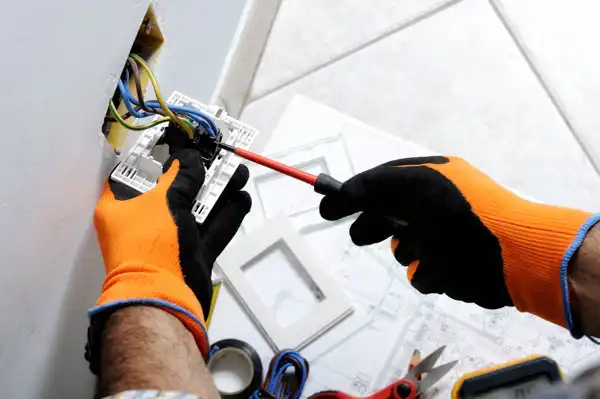
A good contractor also notices the surrounding conditions. Is the filter rack leaky? Is the return pulling air from a dusty basement? Is the furnace closet starved for combustion air? Is there a dryer vent coating everything in lint? Is a plumbing leak dripping near electrical components? Is the condensate pump plugged into an outlet controlled by a wall switch, because somebody made a choice and then moved away?
The best maintenance reports include recommendations with priority. Not every finding is urgent. Surface rust on a cabinet is different from a rusted flue. A weak capacitor is different from a dead motor. A dirty blower wheel is different from a cracked heat exchanger. Homeowners deserve to know what must be fixed now, what should be planned, and what can simply be watched.
Beware the bargain tune-up that is really a sales appointment in a tool belt
There are honest low-cost promotions, and there are “tune-ups” that consist mainly of glancing at the furnace before declaring it a museum piece. Price alone does not identify quality, but wildly cheap service can create pressure to sell repairs or replacements.
Ask what the visit includes. Will they test safety controls? Check combustion or venting where applicable? Measure temperature rise or system performance? Inspect electrical components? Clean relevant parts? Provide findings? If the answer is foggy, the service may be foggy too.
On the other hand, homeowners sometimes expect a full diagnostic overhaul for the cost of lunch. That is not realistic. Skilled labor, insurance, vehicles, instruments, training, and parts stocking cost money. The goal is not the cheapest visit. The goal is the visit that prevents the expensive one.
How heating ties into cooling, plumbing, and the rest of the house
Mechanical systems overlap constantly. A central air handler moves air for both heating and cooling. A dirty blower affects heating performance and may later trigger an Air conditioning repair service call in July. A clogged condensate drain can shut down cooling in summer and high-efficiency heating in winter. A weak thermostat setup can mishandle both furnace staging and Air conditioning tune-up results.
Plumbing issues can masquerade as heating issues. Drain cleaning or Rooter service may be needed when floor drains back up near mechanical equipment. Hydrojetting might solve recurring main line clogs that threaten basement appliances. Water heater repair may reveal venting concerns shared with an older furnace. Water heater installation can change venting dynamics if equipment types are mixed improperly. Plumbing leak repair near a furnace should be handled quickly because water and electrical controls have a famously poor working relationship.
Even gas piping deserves respect. Adding appliances, replacing furnaces, installing standby generators, or converting equipment may require a licensed gas installation service to confirm pipe sizing, pressure, shutoff valves, drip legs, and code compliance. “It fits the threads” is not a gas design standard, no matter what a confident neighbor says.
This whole-house perspective separates a parts changer from a true professional. The best heating contractor does not stare only at the furnace. They look at the building as a system, with air, water, fuel, electricity, insulation, and human habits all conspiring together.
What homeowners can ask without sounding like a courtroom attorney
You do not need to interrogate your contractor under a bare bulb. Still, a few questions can improve the service relationship. Ask what condition the system is in relative to its age. Ask whether airflow measurements look normal. Ask if there are safety concerns. Ask which repairs are urgent and which are preventive. Ask what you can do between visits.
If replacement comes up, ask about sizing. A proper load calculation is better than simply matching old equipment, especially if insulation, windows, additions, or air sealing have changed. Oversized equipment is common, and bigger is not automatically better. It can short cycle, reduce comfort, increase noise, and wear parts faster.
For heat pumps, ask about cold-climate performance, auxiliary heat strategy, electrical requirements, and duct compatibility. For furnaces, ask about efficiency levels, venting changes, combustion air, and filter cabinet design. For boilers, ask about water temperature, zoning, pump sizing, and whether the distribution system suits the new equipment.
A reputable contractor will not be offended by informed questions. They may even look relieved. It is nice to discuss actual system design instead of only hearing, “Can you make it cheaper?”
The payoff: fewer surprises and a warmer house
Reliable heat is rarely the result of one dramatic repair. It comes from ordinary care done before panic enters the room. Clean filters. Clear vents. Safe combustion. Solid wiring. Proper drainage. Honest diagnostics. Equipment sized and installed with care. A homeowner who notices changes before the furnace starts communicating entirely through bangs and error codes.
Heating maintenance also buys time. Time to budget for replacement before failure. Time to compare options. Time to fix duct problems, upgrade filtration, plan a heat pump installation, or coordinate electrical and plumbing work without the charming soundtrack of chattering teeth.
Winter has enough built-in annoyances. Static shocks. Fogged glasses. Driveway ice. The betrayal of stepping in melted snow with fresh socks. Your heating system does not need to join the list.
Treat maintenance as a yearly habit, not a desperate ritual. Hire people who measure, explain, and respect safety. Do the small homeowner tasks that keep air moving and alarms working. And when the system starts making a noise that causes the dog to leave the room, do not wait for it to “work itself out.” Machines are many things, but self-healing is not usually one of them.
Name: Service Lion Plumbing Heating Air Electric
Address: 521 W Briardale Ave, Orange, CA 92865, United States
Phone: (657) 567-7305
Website: https://callservicelion.com/
Email: [email protected]
Hours:
Monday: Open 24 hours
Tuesday: Open 24 hours
Wednesday: Open 24 hours
Thursday: Open 24 hours
Friday: Open 24 hours
Saturday: Open 24 hours
Sunday: Open 24 hours
Open-location code: R48R+WV Orange, California, USA
Map/listing URL:
https://www.google.com/maps/search/?api=1&query=Google&query_place_id=ChIJQU4LBWHV3IARtnABtyykSA4
Google Map:
Socials:
https://www.facebook.com/ServiceLionCA/
https://www.youtube.com/channel/UCR_L35QzsRTxYZtX8PxJvPw
Local Service Information
Service Lion Plumbing Heating Air Electric provides plumbing, drain, heating, air conditioning, and electrical services from its Orange, California location.The company serves homeowners and properties throughout Orange and communities across Orange County and surrounding areas.
Available services include plumbing repairs, water heater work, drain and sewer services, heating and cooling service, electrical repairs, panels, lighting, outlets, and related home-system work.
Service is available for residential properties as well as light commercial needs described within the company's local service-area information.
The company's website emphasizes locally operated service, coordinated home-system support, and practical scheduling for plumbing, HVAC, and electrical needs.
The matching public business listing shows the Orange location as open 24 hours a day, seven days a week.
For service information or scheduling, call (657) 567-7305 or visit https://callservicelion.com/.
The public map listing identifies the business at 521 W Briardale Ave, Orange, CA 92865 and can be used for location and direction information.
Popular Questions About Service Lion Plumbing Heating Air Electric
What services does Service Lion Plumbing Heating Air Electric provide?
The company provides plumbing, drain and sewer, heating, air conditioning, and electrical services. Its published services include plumbing repair, water heaters, drain clearing, sewer work, HVAC repair and installation, electrical repairs, panels, circuit breakers, lighting, outlets, and related services.
Where is Service Lion Plumbing Heating Air Electric located?
The matching business location is 521 W Briardale Ave, Orange, CA 92865, United States.
What areas does Service Lion Plumbing Heating Air Electric serve?
The company serves Orange County and surrounding communities. Its published service-area information includes Orange, Anaheim, Brea, Yorba Linda, Fullerton, Huntington Beach, Newport Beach, Costa Mesa, Irvine, Lake Forest, and additional nearby cities.
Is Service Lion Plumbing Heating Air Electric open 24 hours?
The matching public business listing shows the location as open 24 hours on Monday through Sunday.
Does Service Lion Plumbing Heating Air Electric work on drains and sewer lines?
Yes. Published services include drain clearing, rooter service, camera inspection, hydro jetting, sewer line repair and installation, water line work, slab leak detection, and trenchless sewer line repair.
Does Service Lion Plumbing Heating Air Electric provide heating and air conditioning service?
Yes. Its published HVAC services include air conditioning repair and installation, heating service, furnace work, heat pumps, air ducts, indoor air quality assessments, and thermostat installation.
Does Service Lion Plumbing Heating Air Electric provide electrical service?
Yes. Published electrical services include repairs and installations, electrical panels, circuit breakers, safety inspections, lighting, outlets and switches, surge protection, generators, and EV charging equipment installation.
How can I contact Service Lion Plumbing Heating Air Electric?
Call (657) 567-7305.
Email: [email protected]
Website: https://callservicelion.com/
Facebook: https://www.facebook.com/ServiceLionCA/
Landmarks Near Orange, California
Old Towne Orange Historic District
A central historic district and useful geographic reference point for the Orange community.
Plaza Park
A well-known public gathering point in the center of Old Towne Orange.
Orange Public Library & History Center
A civic landmark serving residents near central Orange.
Hart Park
A major public park and recreation area south of central Orange.
Eisenhower Park
A public park serving neighborhoods in northern Orange.
Santiago Oaks Regional Park
A regional recreation and open-space landmark on the eastern side of Orange.
Irvine Regional Park
A large regional park and recognizable reference point east of the city.
Orange Park Acres
A distinctive residential community and service-area reference point in eastern Orange.
El Modena
An established Orange neighborhood that provides a practical local coverage reference.
Glassell Street
One of the city's principal north-south streets and a useful route through central Orange.
Lincoln Avenue
A major east-west roadway serving northern Orange and nearby communities.
State Route 55
A primary regional freeway connecting Orange with other parts of Orange County.