How to Find a Qualified Orange County Electrician
Finding a qualified Orange County electrician should not feel like auditioning strangers to babysit a dragon. Yet that is more or less what you are doing. Electricity is useful, invisible, impatient, and completely uninterested in your optimism. Hire the right person and your lights stop flickering, your panel behaves, your EV charger works, and nobody smells toasted plastic behind the drywall. Hire the wrong person and you may get a bargain that later arrives wearing a fire marshal’s hat.
Orange County has its own quirks, too. Homes in Santa Ana, Fullerton, and Orange may have older panels, cloth wiring, or additions done sometime during the Carter administration by a cousin with a screwdriver. Newer homes in Irvine, Lake Forest, and Rancho Mission Viejo often come with modern demands: solar, battery storage, smart panels, heat pump installation, induction ranges, EV charging, and enough Wi-Fi-connected gadgets to make a 1990s office building blush. Coastal properties in Huntington Beach, Newport Beach, and Laguna Beach deal with salt air, corrosion, and outdoor lighting that takes a beating. Then there are HOAs, city permits, utility rules, and inspectors who, inconveniently, have eyes.

The good news is that finding a qualified electrician is not mysterious. You do not need to become an electrical engineer. You just need to know what to check, what questions to ask, and which answers should make you quietly back toward the door.
Start with the license, not the smile
A friendly contractor is nice. A licensed one is better. Ideally, you get both, but if forced to choose, pick the person who can legally touch your panel without turning your home into an evidence photo.
In California, electricians and electrical contractors are regulated through licensing requirements. For most residential electrical work, you want a properly licensed contractor, commonly holding a C-10 electrical contractor license through the Contractors State License Board. Individual workers may also hold electrician certification, depending on the work they perform and how the company is structured. The details can get a little bureaucratic, because California appears to have designed licensing language while drinking black coffee under fluorescent lights. Still, the practical step is simple: ask for the contractor’s license number and verify it through the CSLB website.
Do not accept “I’m licensed” as a complete answer. People say all sorts of things when standing in a driveway with a clipboard. “This will only take twenty minutes” is another classic. Check the license status, confirm it is active, and make sure the name matches the company or person you are hiring. Look for workers’ compensation coverage if they have employees. Verify bonding. Confirm there are no alarming disciplinary notes. A license does not guarantee artistry, punctuality, or the ability to explain a GFCI without sounding like a submarine technician, but it is the floor, not the ceiling.
Insurance matters just as much. Electrical work carries real risk. If someone gets hurt or damages your property, you do not want to discover that the “company” is one guy, one ladder, and one expired policy from 2018. Ask for proof of general liability insurance. A serious electrician will not be offended. The good ones expect the question. The bad ones act as if you have requested their childhood diary.
Match the electrician to the job
Not every electrician is the right electrician for every project. Some are excellent at troubleshooting old homes. Some specialize in panel upgrades and service changes. Some do mostly lighting contractor work, such as recessed lighting, landscape lighting, under-cabinet lighting, and fixture installation. Some are commercial pros who can wire a restaurant but would rather wrestle a raccoon than crawl through your attic to chase a dead outlet.
Before calling around, define the job as clearly as you can. “The lights are weird” is a start, but “the kitchen lights flicker when the microwave runs, and the breaker has tripped twice this week” is much better. If you are planning a remodel, say whether you are moving appliances, adding circuits, installing a subpanel, or upgrading from a gas range to induction. If you are adding an EV charger, know the charger model if you have it, the distance from the panel to the parking spot, and whether your main panel has open breaker spaces.
Orange County homes often layer electrical needs with other trades. A homeowner might call an Electrician for a dedicated circuit, then discover the project also touches HVAC, plumbing, or gas. A heat pump installation may require electrical upgrades. A new tankless system may bring in a Plumber for water heater installation, gas installation service, or water heater repair if the old system is limping along. A kitchen remodel could involve lighting, outlets, plumbing leak repair, drain cleaning, and maybe a small argument with a cabinet installer. Companies that coordinate multiple trades, such as Service Lion Plumbing Heating Air Electric, can be useful when the project crosses those lines. The trick is still the same: make sure the person doing the electrical portion is qualified for electrical work.
For simple fixture swaps, you may not need the most specialized contractor in the county. For panel upgrades, aluminum wiring remediation, whole-home rewiring, troubleshooting burning smells, or repeated breaker trips, hire someone with deeper diagnostic experience. Electricity rewards humility. The moment someone says, “It’s probably nothing,” before opening the panel, listen carefully to the word “probably.” That word has done a lot of damage in American homes.
The phone call tells you plenty
A first call with an electrical contractor is like a tiny preview of the job. Not a perfect preview, because good electricians are often busy and may answer from a truck with a beeping backup alarm nearby. Still, you can learn a lot.
Describe the issue and notice whether they ask follow-up questions. A strong electrician will want context: When did it start? Does it happen on one circuit or several? Did you recently add an appliance? Is there buzzing, heat, odor, discoloration, sparking, or moisture? Are breakers tripping immediately or after a load runs for a while? Is the panel original to the home? These questions are not stalling. They are diagnostic breadcrumbs.
Be cautious if someone quotes a firm price for a complex troubleshooting job without seeing anything. Replacing a standard outlet can be priced fairly straightforwardly. Diagnosing intermittent power loss in a 1960s house with additions and a mystery subpanel in the garage is less tidy. A skilled Electrician may offer a service call fee, an hourly diagnostic rate, or a minimum charge, then explain how repairs are priced once the fault is found. That is normal. You are paying for problem-solving, not just wire nuts.
Also notice whether the company discusses safety. If you mention a burning smell, a hot breaker, arcing, sparks, or a panel that crackles like breakfast cereal, the response should be immediate and serious. They may tell you to turn off a breaker, stop using a circuit, or schedule urgent service. If they say, “Can you wait until next Thursday?” after you mention smoke from an outlet, hang up and call someone who enjoys preventing fires.
A qualified electrician does not fear permits
Permits are nobody’s hobby. Homeowners dislike them because they add cost and time. Contractors sometimes dislike them because they require paperwork, inspections, and accountability. Cities enjoy them because, well, cities enjoy forms the way golden retrievers enjoy tennis balls.
Still, permits matter. Panel upgrades, service changes, new circuits for major appliances, significant rewiring, and many remodel-related electrical changes often require permits and inspections. Requirements vary by city and project, so the right answer is not always obvious from your neighbor’s confident speech over the fence. Anaheim, Costa Mesa, Mission Viejo, and San Clemente may all have different processes, fees, and inspection timelines.
A qualified electrician will know when permits are required and will explain the process. They should not treat permitting as an optional personality trait. If a contractor suggests skipping permits for work that plainly needs them, ask why. Sometimes there are narrow cases where a like-for-like repair does not require one. Sometimes the contractor simply does not want an inspector looking over their shoulder. One is reasonable. The other is a red flag wearing work boots.

Permitted work can also matter later when you sell the home. Unpermitted electrical modifications may complicate disclosures, appraisals, insurance claims, and buyer inspections. Nothing spices up escrow quite like discovering a panel upgrade done by a man named “Sparky” who left no paperwork.
What good estimates look like
A proper estimate should be understandable without requiring a decoder ring. It does not need to be a novel, but it should describe the scope of work, materials, labor, price, exclusions, and assumptions. If the job includes a panel upgrade, the estimate should indicate panel size, amperage, grounding or bonding work if applicable, permit handling, utility coordination if needed, and expected inspection steps. For lighting work, it should specify fixture types, locations, switching, dimmers, patching responsibility, and whether attic access is included. For EV chargers, it should address circuit size, breaker type, wire run, conduit, charger mounting, and load calculation when appropriate.
Price alone is a poor judge. The cheapest estimate may be fine if the scope is identical and the contractor is legitimate. But often the low number leaves out permits, drywall repair, trenching, load calculations, patching, or materials that the other contractors included. It is like comparing a full breakfast to a single lonely pancake.
Here is a compact way to compare estimates without losing your Saturday to paperwork:
- Confirm the license, insurance, and company name match the estimate.
- Compare the written scope line by line, not just the total price.
- Ask who handles permits, inspections, and utility coordination.
- Clarify what is excluded, especially drywall, stucco, paint, trenching, and fixture costs.
- Get warranty terms in writing, including labor and parts coverage.
That is one list, and it earns its keep. Use it before you sign anything or hand over a deposit. Speaking of deposits, California has rules on contractor deposits for home improvement contracts. A legitimate contractor should follow them. If someone asks for a huge payment up front for ordinary residential electrical work, slow down. Expensive custom equipment may require special ordering, but “I need half today in cash” is not a business model, it is a campfire story.
Read reviews like a detective, not a tourist
Online reviews help, but only if you read them with a little skepticism. Five stars are lovely. So are sunsets. Neither tells the whole story.
Look for patterns. One glowing review might reflect a good day. Twenty reviews mentioning clean work, punctuality, clear explanations, fair pricing, and successful troubleshooting tell you more. Pay attention to reviews for jobs similar to yours. If you need a panel upgrade, a dozen compliments about chandelier installation are pleasant but not decisive. If you need recessed lighting in a two-story home with limited attic access, find out whether the company has done that without turning ceilings into Swiss cheese.
Bad reviews deserve context. Every contractor who works long enough will eventually meet a client who expected a $99 miracle, same-day service, and emotional support for a malfunctioning dimmer. A single cranky review does not disqualify a company. Repeated complaints about missed appointments, surprise charges, failed inspections, poor communication, or work that needed correction should get your attention.
Also notice how the contractor responds. Defensive, sarcastic replies are entertaining until you imagine needing warranty service. Professional responses, even to unreasonable complaints, suggest maturity. Electrical work is stressful enough without hiring someone who fights like a raccoon in a trash can.
Ask about troubleshooting, not just installation
Many electricians can install something new. Fewer excel at diagnosing something strange. Troubleshooting is where experience shows.
Intermittent electrical problems are the worst because they enjoy humiliating everyone involved. The outlet works when the electrician arrives, then dies after the truck leaves. The lights flicker only when the upstairs bathroom fan runs and Mercury appears to be in retrograde. A breaker trips once every ten days, always during dinner. These issues require patience, testing, and a methodical approach.
A qualified electrician will use proper meters, circuit tracers, thermal clues when appropriate, load testing, and careful inspection. They will not randomly replace parts until your wallet becomes a parts bin. They should explain likely causes and narrow them down. Loose neutrals, overloaded circuits, backstabbed receptacles, damaged wiring, failing breakers, shared neutrals, undersized conductors, moisture intrusion, and appliance faults all have different remedies. Guessing is expensive. Testing is cheaper, even when it costs more up front.
If you live in an older Orange County neighborhood, mention the age of Water heater installation callservicelion.com the house and any known remodels. Homes built before modern electrical demands often have surprises. Additions may have been wired by various hands across decades. Aluminum branch wiring, outdated panels, missing GFCI protection, ungrounded outlets, and overloaded circuits may appear. None of this means your home is doomed. It means you want an electrician who has seen enough oddities to remain calm when the attic reveals a junction box hiding under insulation like a guilty hamster.
Know the red flags before they cost you
Some warning signs are subtle. Others arrive with a neon sign and a leaf blower. If your electrician search produces any of these, proceed carefully:
- They refuse to provide a license number or proof of insurance.
- They pressure you to skip permits on major work.
- They give only vague verbal pricing for a complex job.
- They ask for unusually large cash payments up front.
- They dismiss safety concerns without inspecting the issue.
Trust your instincts, but do not rely only on vibes. A contractor can be charming and careless. Another can be quiet, dusty, and excellent. The paperwork and work habits matter.
One of the biggest red flags is the “everything is easy” attitude. Electrical work may be straightforward, but it is rarely casual. Cutting holes, fishing wire, derating conductors, calculating load, bonding systems, working around existing circuits, and passing inspection all require thought. If someone waves away every detail, you may be speaking with either a genius or a gambler. Residential service work has more gamblers than geniuses.
Orange County pricing, without the fairy dust
Homeowners often ask what electrical work “should” cost. The annoying but honest answer is: it depends. Labor rates vary by company size, overhead, insurance, experience, urgency, and location. A simple outlet replacement differs wildly from running a new dedicated circuit through finished walls. A panel upgrade can range significantly depending on amperage, utility requirements, grounding updates, stucco or drywall repair, city fees, and whether the service location changes.
Emergency service costs more. After-hours work costs more. Tight attic access in August costs more, and frankly, it should. If you have ever crawled through insulation above a Laguna Niguel garage while the attic feels like a pizza oven, you understand why electricians do not bill that like assembling a bookshelf.
Be wary of prices that seem dramatically below everyone else. A low bid can come from efficiency, but it can also come from missing permits, uninsured labor, cheap materials, or a scope that conveniently stops before the hard part. On the other side, a high price is not automatically better. Ask what is included. Ask how they handle surprises. Ask whether they warranty the work. Professional electricians should be able to discuss price without acting personally wounded.
For service calls, many companies charge a dispatch fee or diagnostic fee. That fee covers travel, time, and initial evaluation. Some apply it toward repairs if you proceed. Others keep it separate. Neither model is inherently wrong, as long as it is clear before the visit. Mystery fees are what make people grumpy, and grumpy homeowners write reviews with adjectives.
When electrical work overlaps with heating, cooling, and plumbing
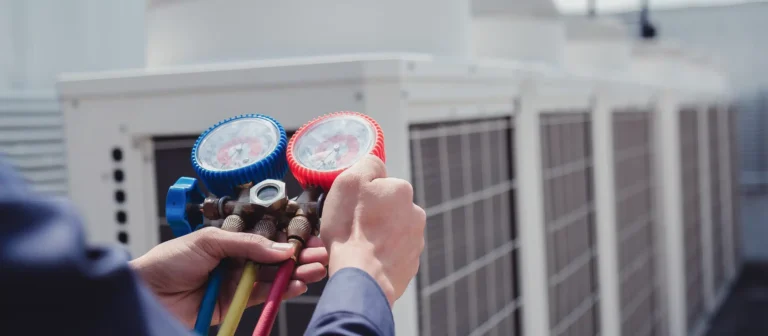
Modern homes blur trade lines more than they used to. A Heating contractor may recommend a heat pump installation, but the system may need a dedicated electrical circuit or panel evaluation. An Air conditioning contractor may replace a condenser and discover the disconnect, breaker, or wiring is not up to the equipment’s requirements. An Air conditioning repair service might diagnose a failed unit, while the electrical side still needs verification. Furnace repair service may involve controls, circuits, and safety switches. Even air conditioning maintenance or an air conditioning tune-up can reveal electrical issues such as worn contactors, failing capacitors, overheated disconnects, or improper breaker sizing.
Plumbing projects can overlap too. Water heater installation may need electrical work for a heat pump water heater or recirculation controls. Water softener installation may require a nearby outlet. Plumbing repiping can expose walls, creating an opportunity to update old wiring before everything is patched. Drain cleaning, rooter service, hydrojetting, septic system service, and plumbing leak repair do not sound electrical until water reaches an outlet, crawlspace wiring, or a panel area. Water and electricity remain a famously poor couple. They should not be encouraged to mingle.
When a project crosses trades, coordination matters. If the electrician needs to arrive after demolition but before drywall, schedule carefully. If HVAC equipment needs a circuit before startup, do not leave that call until the installer is standing there with an expensive outdoor unit and a face full of disappointment. Good contractors communicate sequencing. Great ones prevent the “I thought you were doing that” moment, which is the official birdcall of remodel delays.
The panel deserves respect
The electrical panel is the heart of the home’s electrical system, although unlike a heart, it contains labels written in pencil by people who moved away in 2006. Many Orange County homeowners only look at the panel when a breaker trips. That is understandable, but the panel tells an electrician a great deal.
A qualified electrician will inspect for proper labeling, breaker condition, signs of overheating, corrosion, mismatched breakers, double-tapped conductors where not allowed, missing knockouts, improper grounding or bonding, and available capacity. If you are adding major loads such as EV chargers, heat pumps, electric water heaters, induction ranges, or workshop equipment, the panel evaluation becomes crucial. You cannot keep adding electrical load to a home like toppings at a frozen yogurt shop. At some point, the cup overflows.
Panel upgrades require special care. They may involve city permits, utility disconnects and reconnects, grounding electrode updates, new service equipment, stucco repair, and inspection scheduling. Some jobs can be done in a day. Others take longer because utility coordination or corrections are needed. A contractor who explains the timeline honestly is doing you a favor, even if the answer is less convenient than “Sure, we’ll knock it out tomorrow.”
Do not ignore warm breakers, buzzing panels, rust, scorch marks, or repeated trips. Breakers trip for reasons. Sometimes the reason is a bad breaker. Sometimes it is an overloaded circuit. Sometimes it is a fault that should not be negotiated with. Resetting a breaker repeatedly without finding the cause is like silencing a smoke alarm by removing the battery, then congratulating yourself on the quiet.
Lighting work is where craftsmanship shows
Lighting seems simple until you live with bad lighting. Then every evening feels like either an interrogation room or a cave tour. A capable lighting contractor understands not just wiring, but placement, switching, dimming, color temperature, and how people actually use rooms.
Recessed lights should be laid out with ceiling height, beam spread, task areas, and furniture in mind. Kitchen lighting needs layers: ambient light, task light, and sometimes accent light if you want your backsplash to feel important. Bathroom lighting should flatter humans, which is a higher calling than most people admit. Outdoor lighting in coastal Orange County needs weather-rated fixtures and corrosion-conscious installation. Landscape lighting needs proper transformers, wire sizing, waterproof connections, and placement that does not blind guests or illuminate your neighbor’s bedroom like a prison yard.
Dimmers deserve attention too. LED compatibility matters. Cheap mismatched dimmers can flicker, buzz, or create a low-level strobe effect that makes dinner feel haunted. A good electrician asks about fixtures and lamps, then selects controls that work with them. This is the kind of detail that separates “installed” from “installed well.”
Communication is part of the craft
The best electricians explain without lecturing. They can tell you what is wrong, what must be done now, what can wait, and what is optional. They do not bury you in jargon, but they also do not oversimplify safety issues into mush.
You should know when the electrician will arrive, what access they need, whether power will be shut off, how long the work may take, and what cleanup to expect. For bigger projects, you should know the rough schedule and the inspection steps. If drywall must be opened, clarify who repairs it. Many electricians make neat openings, but they are not always drywall finishers or painters. This is not a flaw. It is just something to know before your wall has a square hole and everyone suddenly discovers the word “excluded.”
Good communication also includes documentation. After work is complete, keep invoices, permits, inspection records, warranty information, panel schedules, and equipment manuals. If you sell the home later or need service again, those records save time. Future you will be grateful. Future you already has enough to deal with.
A word about DIY, because someone has watched three videos
There is a place for handy homeowners. Replacing a light bulb, resetting a GFCI, checking whether a breaker is tripped, or swapping batteries in a thermostat are reasonable tasks. Some homeowners are skilled enough for basic fixture replacement where allowed, provided the wiring is straightforward and power is properly shut off. But electrical DIY has a way of escalating.
The danger is not only shock. It is hidden fire risk. A loose connection can heat slowly inside a box. An overfused circuit can allow wires to carry more current than they should. A missing ground may not reveal itself until a fault occurs. An improperly installed outdoor receptacle may work fine until the first rainstorm. Electricity does not grade on effort.
If you open a box and see brittle insulation, aluminum wiring, scorch marks, too many conductors, no ground, unfamiliar cable, moisture, or anything that makes you say a word unsuitable for a children’s party, stop and call a professional. There is no shame in it. The shame is in creating a problem that a qualified electrician later describes with a long pause.
The final decision should feel boringly solid
After checking the license, reading reviews, comparing estimates, and asking questions, the right choice usually becomes clear. It may not be the cheapest. It may not be the company with the fanciest truck wrap or the most aggressive coupon. It will be the electrician who is properly licensed and insured, understands your specific job, communicates clearly, respects permits, prices transparently, and treats safety as a requirement rather than a mood.
A qualified Orange County electrician will not make the process dramatic. That is the point. Electrical work should be competent, inspected when required, neatly finished, and documented. The lights should turn on. The breakers should hold. The panel should not hum ominously like it knows a secret. Your home should feel safer after the visit, not merely more expensive.
Take the time to choose well. Ask the boring questions. Verify the boring paperwork. Read the boring estimate. Boring is underrated in electrical work. Exciting electricity belongs in science museums, summer lightning storms, and guitar solos, not inside your walls at 2 a.m.
Name: Service Lion Plumbing Heating Air Electric
Address: 521 W Briardale Ave, Orange, CA 92865, United States
Phone: (657) 337-3622
Website: https://callservicelion.com/
Email: [email protected]
Hours:
Monday: Open 24 hours
Tuesday: Open 24 hours
Wednesday: Open 24 hours
Thursday: Open 24 hours
Friday: Open 24 hours
Saturday: Open 24 hours
Sunday: Open 24 hours
Open-location code: R48R+WV Orange, California, USA
Map/listing URL:
https://www.google.com/maps/search/?api=1&query=Google&query_place_id=ChIJQU4LBWHV3IARtnABtyykSA4
Google Map:
Socials:
https://www.facebook.com/ServiceLionCA/
https://www.youtube.com/channel/UCR_L35QzsRTxYZtX8PxJvPw
Local Service Information
Service Lion Plumbing Heating Air Electric provides plumbing, drain, heating, air conditioning, and electrical services from its Orange, California location.The company serves homeowners and properties throughout Orange and communities across Orange County and surrounding areas.
Available services include plumbing repairs, water heater work, drain and sewer services, heating and cooling service, electrical repairs, panels, lighting, outlets, and related home-system work.
Service is available for residential properties as well as light commercial needs described within the company's local service-area information.
The company's website emphasizes locally operated service, coordinated home-system support, and practical scheduling for plumbing, HVAC, and electrical needs.
The matching public business listing shows the Orange location as open 24 hours a day, seven days a week.
For service information or scheduling, call (657) 337-3622 or visit https://callservicelion.com/.
The public map listing identifies the business at 521 W Briardale Ave, Orange, CA 92865 and can be used for location and direction information.
Popular Questions About Service Lion Plumbing Heating Air Electric
What services does Service Lion Plumbing Heating Air Electric provide?
The company provides plumbing, drain and sewer, heating, air conditioning, and electrical services. Its published services include plumbing repair, water heaters, drain clearing, sewer work, HVAC repair and installation, electrical repairs, panels, circuit breakers, lighting, outlets, and related services.
Where is Service Lion Plumbing Heating Air Electric located?
The matching business location is 521 W Briardale Ave, Orange, CA 92865, United States.
What areas does Service Lion Plumbing Heating Air Electric serve?
The company serves Orange County and surrounding communities. Its published service-area information includes Orange, Anaheim, Brea, Yorba Linda, Fullerton, Huntington Beach, Newport Beach, Costa Mesa, Irvine, Lake Forest, and additional nearby cities.
Is Service Lion Plumbing Heating Air Electric open 24 hours?
The matching public business listing shows the location as open 24 hours on Monday through Sunday.
Does Service Lion Plumbing Heating Air Electric work on drains and sewer lines?
Yes. Published services include drain clearing, rooter service, camera inspection, hydro jetting, sewer line repair and installation, water line work, slab leak detection, and trenchless sewer line repair.
Does Service Lion Plumbing Heating Air Electric provide heating and air conditioning service?
Yes. Its published HVAC services include air conditioning repair and installation, heating service, furnace work, heat pumps, air ducts, indoor air quality assessments, and thermostat installation.
Does Service Lion Plumbing Heating Air Electric provide electrical service?
Yes. Published electrical services include repairs and installations, electrical panels, circuit breakers, safety inspections, lighting, outlets and switches, surge protection, generators, and EV charging equipment installation.
How can I contact Service Lion Plumbing Heating Air Electric?
Call (657) 337-3622.
Email: [email protected]
Website: https://callservicelion.com/
Facebook: https://www.facebook.com/ServiceLionCA/
Landmarks Near Orange, California
Old Towne Orange Historic District
A central historic district and useful geographic reference point for the Orange community.
Plaza Park
A well-known public gathering point in the center of Old Towne Orange.
Orange Public Library & History Center
A civic landmark serving residents near central Orange.
Hart Park
A major public park and recreation area south of central Orange.
Eisenhower Park
A public park serving neighborhoods in northern Orange.
Santiago Oaks Regional Park
A regional recreation and open-space landmark on the eastern side of Orange.
Irvine Regional Park
A large regional park and recognizable reference point east of the city.
Orange Park Acres
A distinctive residential community and service-area reference point in eastern Orange.
El Modena
An established Orange neighborhood that provides a practical local coverage reference.
Glassell Street
One of the city's principal north-south streets and a useful route through central Orange.
Lincoln Avenue
A major east-west roadway serving northern Orange and nearby communities.
State Route 55
A primary regional freeway connecting Orange with other parts of Orange County.