Plumbing Repiping and Leak Repair Planning
Plumbing has a sense of humor, usually the dry kind until it is not. A pinhole leak behind a wall waits until a holiday weekend. A tired water line behaves perfectly while the plumber is standing there, then resumes its tiny indoor fountain five minutes after the truck leaves. A drain line will accept years of questionable decisions, then choose one innocent Tuesday morning to make everyone in the building regret owning towels.
Planning for plumbing leak repair and plumbing repiping is how you take some of the mischief out of the system. Not all of it, because pipes are still pipes, but enough to make the job cleaner, smarter, and less expensive than a panic-driven repair performed while someone is holding a mixing bowl under a ceiling stain.
Repiping is not just “replace the old pipe with new pipe and call it a day.” It touches walls, fixtures, water heaters, sometimes heating equipment, occasionally electrical access, and in some properties the work has to be coordinated around air conditioning maintenance, furnace repair service, or other mechanical projects. Plumbing, heating, and air conditioning work often live in the same neighborhoods of a building. They share chases, utility rooms, crawlspaces, and the occasional dark corner full of spider architecture. Good planning respects that.
The difference between a leak repair and a repipe
A leak repair is targeted. A plumber finds the failing section, exposes enough of the pipe to work safely, makes the repair, tests it, and restores service. If one fitting cracked because it froze, one connection loosened, or one section was damaged during another project, a focused repair may be perfectly reasonable.
A repipe is broader. Plumbing repiping means replacing a larger portion of the piping system, sometimes a single branch line, sometimes the full water distribution system. It becomes worth discussing when leaks are recurring, water quality is suffering, pressure is poor in ways that point to piping restrictions, or the system has reached the stage where every repair feels like putting a fresh shoelace on a boot with no sole.
The judgment call matters. Nobody should sell a whole-house repipe because of one honest little leak. On the other hand, nobody does a homeowner any favors by fixing the seventh leak in a failing system while pretending the eighth is not already rehearsing backstage.
I have seen both mistakes. The overreaction is dramatic and expensive. The underreaction is sneakier, because it spreads the cost out over time, one service call, one drywall patch, and one damp cabinet at a time. The right plan sits between those extremes.
What a good leak investigation looks like
A real leak investigation starts with listening, and not just with fancy equipment. The person who lives or works in the building often knows the rhythm of the problem better than anyone. Does the water meter move when every fixture is off? Does the stain appear only after showers? Does the ceiling drip during air conditioning repair season because condensate is involved, not pressurized plumbing? Does the floor near the water heater get damp only when hot water runs for a while?
Those details matter because water is a liar. It runs along framing, follows pipe penetrations, drips from the lowest point, and frames innocent fixtures with the confidence of a courtroom villain. The stain below the upstairs bathroom may start at the tub drain, the toilet supply, the shower valve, or a roof issue that just happens to pass through the same cavity. A plumber earns the fee by not assuming the first wet spot is the guilty party.
The first phase is usually non-invasive or minimally invasive. Check visible piping, shutoff valves, fixture connections, water heater connections, and accessible crawlspace or basement runs. If the leak appears to be active and hidden, the next step may involve isolating sections, pressure testing, or making a controlled opening. “Controlled” is the key word. A neat access cut beats exploratory demolition performed with the enthusiasm of a raccoon in a pantry.
Drain leaks need a different mindset than pressurized water leaks. A water supply leak can show itself constantly because the pipe is under pressure. A drain leak may only appear when a certain fixture runs. That is why drain cleaning, rooter service, or hydrojetting conversations sometimes overlap with leak repair. A cracked or separated drain line, a chronic clog, or a line affected by roots can create symptoms that look like a simple backup until the building starts smelling like bad decisions.
When repair makes sense
A targeted plumbing leak repair often makes sense when the rest of the system is in decent condition, the failure has a clear cause, and the surrounding pipe looks sound. A damaged supply line under a sink, a failing shutoff valve, or a leaking water heater connection may not justify repiping the whole building. It calls for a clean repair, proper testing, and a plain explanation of what was found.
The age and history of the system should still be part of the conversation. If the pipe material, installation conditions, or pattern of previous repairs suggests trouble, the plumber should say so. That does not mean launching into theatrical doom. It means showing the customer what failed, explaining whether it appears isolated, and documenting what areas deserve attention later.
A good repair plan also includes restoration thinking. If a wall has to be opened, can the opening become a future access panel? If a valve is being replaced, should a more accessible shutoff be installed while the area is open? If the water heater repair requires disconnecting piping, is there an opportunity to correct an awkward connection? Sensible add-ons are not upselling. They are the difference between doing the job and doing the job while wearing reading glasses.
When repiping deserves a serious look
Repiping enters the conversation when the piping system no longer behaves like a system and starts acting like a collection of grudges. Recurring leaks in different areas, corrosion or deterioration visible in accessible sections, pressure problems that are not tied to a single fixture, and repeated emergency repairs all point toward a bigger decision.
The financial math is not always obvious at first. One repair may cost less than repiping. Three repairs plus drywall work plus damaged flooring plus another emergency visit can make the cheaper path look like it has been stealing from your wallet in installments. Planning is useful because it turns the decision from “the ceiling is dripping, do something” into “which sections should be replaced, in what order, and what else should be coordinated?”
Here is a compact way to think about the decision:
| Situation | Likely direction | |---|---| | One isolated leak with healthy surrounding piping | Repair and monitor | | Repeated leaks in different areas | Evaluate partial or full repiping | | Poor pressure throughout the building | Inspect for piping restrictions or system-wide issues | | Remodel already opening walls | Consider repiping while access is available | | Water heater installation or mechanical upgrade planned | Coordinate piping improvements at the same time |
That table is not a substitute for an on-site evaluation. It is a sanity check. Plumbing does not always read the chart, but it often leaves enough clues to make a smart call.
The coordination nobody notices until it is missing
Plumbing repiping rarely happens in a vacuum. Mechanical rooms are crowded. A water heater installation may share space with furnace equipment. A heat pump installation may involve electrical work and condensate drainage. Air conditioning maintenance may expose drain issues. A heating contractor, air conditioning contractor, electrician, or lighting contractor might need access to the same ceiling or wall cavities during a remodel.
That is why planning the sequence matters. If a ceiling is coming down for plumbing, it is worth asking whether other trades need access before it goes back up. This does not mean inviting every contractor in town to wander through the house with a clipboard. It means thinking like an adult before the drywall crew closes the only convenient route to a pipe, cable, duct, or drain.
The verified reality of the trades supports this overlap. Plumbing, heating, and air-conditioning work often fall under the same broad special trade category, while electrical work is its own trade. HVAC contractors commonly install and maintain heating, ventilation, and air-conditioning equipment, and services connected to those systems can involve installation, maintenance, repairs, duct cleaning, and related plumbing or electrical work. In normal language: the plumber and the HVAC technician are not doing the same job, but their work can bump elbows in the same utility closet.
For example, an air conditioning repair service may deal with condensate drainage, while the plumber may be handling drain lines nearby. A furnace repair service may need safe access around equipment while a repipe is underway. A gas installation service may involve different requirements and a different risk profile than domestic water piping, so it should not be treated casually as “just another pipe.” If the plan includes gas, heat, cooling, and water, the schedule needs more than a shrug and a hope.
Access is the job before the job
Most customers ask what pipe will be used. Fair question. But before material comes access. Where are the lines routed? What walls, ceilings, cabinets, crawlspaces, or attic areas need to be opened? Can new piping follow a smarter route than the old piping? Will the work require temporary loss of water to the whole building, or can sections be isolated?
Access determines labor, mess, restoration, and disruption. A neat pipe route through a basement ceiling may be straightforward. A second-floor bathroom over a finished kitchen is another mood entirely. A repipe through a tight crawlspace can be physically demanding, slow, and dusty enough to make everyone involved question their life choices. An attic route may need careful planning around temperature exposure and accessibility. Each option has trade-offs.
Good planning includes an honest conversation about what will be opened and what will not. Contractors should avoid promising invisible surgery. Sometimes small access points are enough. Sometimes a larger opening saves hours of labor and produces a better repair. Drywall is not free, but neither is paying skilled tradespeople to perform plumbing yoga through a hole the size of a sandwich.
The best access plan also protects the building while the work is happening. Water gets shut off intentionally, not by surprise. Fixtures are checked before and after. Work areas are isolated as much as practical. If occupants need water restored by evening, that becomes part of the daily plan, not a charming afterthought discovered at 5:12 p.m.
The water heater question
Water heater repair and water heater installation often come up during repiping because the water heater sits at the crossroads of the plumbing system. If the cold supply, hot outlet, valves, expansion-related components, or nearby piping are aging poorly, replacing only remote piping while ignoring the mechanical room can leave the heart of the system surrounded by old arteries.
That does not mean every repipe requires a new water heater. It means the water heater deserves inspection. If it is performing properly and the connections are sound, it may simply be reconnected into the new piping plan. If it already needs repair, or if installation work is scheduled soon, coordinating the timing can reduce duplicated labor.
Customers sometimes ask whether to install a water softener during a repipe. Water softener installation can make sense in some homes, depending on local water conditions and owner preference, but it should be planned rather than tossed in like a checkout-counter candy bar. It needs space, drainage considerations, bypass valves, and access for service. If it belongs in the system, design it cleanly. If it does not, leave the plumbing simpler. Simpler ages better, and it does not ask for attention every time you are late for work.
Pressure, fixtures, and the myth of “just bigger pipe”
Low water pressure drives people mad. It also drives bad decisions. A customer may assume the cure is bigger pipe everywhere, as if the plumbing system were a drinking straw in need of gym membership. Sometimes pipe sizing is part of the issue, but pressure complaints can also come from clogged fixture aerators, failing valves, restrictions in old piping, water heater issues on the hot side, or supply conditions beyond the building.
During repiping, the contractor should evaluate fixture groups, main supply, shutoffs, water heater connections, and the practical demands of the building. The goal is not to create a fire hose at every sink. The goal is balanced, reliable delivery. Oversimplifying pressure problems can create disappointment after a costly project, which is bad for everyone except the person selling towels.
It is also worth distinguishing pressure from flow. People use the words interchangeably, but they do not always mean the same thing in practice. A shower that starts strong then fades, a kitchen sink that trickles only on hot, and a whole house that suffers when two fixtures run at once may point in different directions. A competent plumber will ask when, where, and how the symptom occurs before prescribing a cure.
Drain lines deserve their own planning
Supply piping gets most of the attention during repiping, probably because pressurized leaks produce dramatic stains and frantic phone calls. Drainage systems are less glamorous, though “less glamorous” is doing heroic work in that sentence. A drain problem can be just as disruptive, especially when backups repeat.
Drain cleaning can clear a blockage. Rooter service can address certain obstructions in drain or sewer lines. Hydrojetting uses high-pressure water to clean lines and may be appropriate in some situations when performed by trained professionals with the right equipment and judgment. But cleaning is not the same as repairing a damaged line. If a line has structural problems, repeated cleaning may buy time without solving the underlying issue.
A septic system service may also enter the conversation for properties not connected to a municipal sewer. Plumbing inside the building and the septic system outside it interact, but they are not the same thing. A slow drain may be a local clog, a building drain issue, or a downstream septic concern. Planning means resisting the urge to blame the nearest visible pipe. The nearest visible pipe is often just standing there, unfairly accused.
The HVAC overlap, because buildings enjoy complications
Air conditioning repair, air conditioning maintenance, and an air conditioning tune-up might sound unrelated to plumbing repiping until you remember that mechanical systems often share space and drainage paths. Air conditioners and heat pumps are appliances in the regulatory sense when refrigeration equipment is involved, and technicians who maintain, service, repair, or install them operate under requirements specific to that kind of work. That matters because a repipe plan should not casually interfere with HVAC equipment, refrigerant lines, condensate management, or service access.
Proper HVAC installation includes correct equipment sizing and refrigerant charging. Proper charging of an air conditioner or heat pump can reduce energy use and lower the risk of failure. That point belongs in a plumbing article because sloppy coordination can make good HVAC work harder to service later. Do not route new plumbing where it blocks access panels. Do not place valves where a technician has to remove half a utility room to reach them. Do not let one trade solve its puzzle by turning the next trade’s job into a circus act.
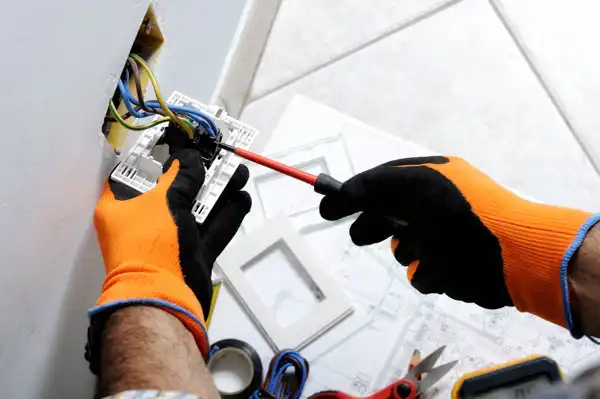
A heat pump installation may also involve electrical and mechanical coordination. An electrician may be needed for electrical work. A heating contractor or air conditioning contractor may handle the equipment side. The plumber may deal with water piping, drainage, or water heater connections in the same area. The customer should not have to referee with a whistle, but someone needs to manage the sequence.
What to ask before approving a repipe
A repipe proposal should be understandable without requiring a decoder ring. It should explain the scope, access needs, expected downtime, included restoration if any, and what areas are excluded. Vague proposals breed arguments because everyone fills in the blanks differently. The customer imagines finished walls and a spotless hallway. The contractor imagines open access and “others to patch.” Both may be perfectly sincere. Both may be heading for a grumpy conversation.
Use these questions before signing, especially if the job touches multiple systems:
- Which piping is being replaced, and which piping will remain?
- Where will walls, ceilings, cabinets, or floors need to be opened?
- How long will water be shut off, and will service be restored daily?
- Are water heater connections, fixture shutoffs, and main shutoffs included?
- Who handles patching, painting, cleanup, and coordination with other trades? 24/7 rooter service
That is the first allowed numbered list, and it earns its keep. Those five questions prevent more confusion than a stack of glossy brochures.
Phasing the work without losing your mind
Not every building needs a single large repipe performed all at once. Sometimes phasing is practical. A homeowner may replace the worst branch lines first, then schedule the remaining work during a remodel. A business may need water available during operating hours, so work happens in sections. A property manager may prioritize units based on leak history and access.
Phasing has advantages. It spreads cost, reduces disruption, and allows work to align with renovations. It also has drawbacks. Temporary connections may be needed. Old piping remains in service longer. Mobilization costs can repeat. The contractor has to think carefully about tie-in points so today’s work does not make tomorrow’s work awkward.
A full repipe has its own trade-offs. It can be cleaner from a planning standpoint and may reduce repeated openings. It also creates a larger short-term disruption. The best choice depends on building layout, urgency, budget, occupancy, and whether other projects are already on the calendar. Anyone who claims there is one universal answer is either new, selling something, or blessed with a building that has never fought back.
Living through the job
The workday rhythm of repiping is not mysterious, but customers appreciate knowing what to expect. There will be noise. There may be water shutoffs. There will be tools, ladders, protective coverings, and Plumber pieces of wall that briefly stop being wall. If the crew is good, the chaos has boundaries. If the crew is careless, the chaos applies for permanent residency.
Before work starts, clear access to sinks, water heaters, utility rooms, crawlspace entries, attic hatches, and the main shutoff area. Move fragile items away from walls where work is expected. If pets live in the building, plan for them. Cats do not respect construction schedules, and some dogs consider every tradesperson a suspicious plumbing goblin.
The contractor should communicate daily goals. For example, one day may focus on opening access and running new lines. Another may involve tie-ins and pressure testing. Another may cover fixture reconnections and punch-list items. The exact sequence depends on the building, but the customer should never be left wondering whether the water will be back before bedtime.
Testing is not optional
A repair or repipe is not finished when the pipe looks nice. It is finished when it has been tested, inspected as required by the applicable process, and confirmed in operation. Pressurized lines need to hold. Fixtures need to run. Drains need to drain. Hot water needs to arrive where expected. Shutoff valves need to shut off, which sounds obvious until you have met enough old valves that treat “off” as a philosophical suggestion.
Testing should include normal use. Run fixtures. Check under sinks. Look at the water heater connections. Flush toilets. Fill and drain tubs if they were involved. Watch for slow weeps, not just dramatic leaks. A tiny bead of water on a fitting can become a cabinet problem later.
For drain work, flow matters. A line that accepts a small amount of water may still struggle under real use. If drain cleaning or hydrojetting was part of the project, the contractor should explain what improved and whether any signs suggest a deeper line issue. The phrase “it’s draining now” is comforting, but it is not the same as “the line is in good condition.”
Documentation, the underrated hero
A clean repipe plan creates useful documentation. Photos before walls close, notes on pipe routes, valve locations, and equipment connections can save hours later. Future plumbers are kinder people when they do not have to guess where everything went. Future homeowners appreciate knowing which lines were replaced and which were not. Future you, standing in slippers during a late-night leak scare, will be grateful for a labeled shutoff.
Documentation is especially helpful when plumbing overlaps with HVAC or electrical work. If an air conditioning contractor needs to service equipment later, clear access and records help. If an electrician or lighting contractor worked in the same area, knowing what was changed reduces confusion. Buildings remember every project, but they are terrible at explaining themselves unless someone writes things down.
Budgeting without pretending every house is average
Pricing varies because buildings vary. Anyone who offers a universal repiping number without seeing the layout is guessing with confidence, which is still guessing. Cost depends on access, scope, pipe routing, fixture count, wall and ceiling finishes, occupied conditions, required coordination, and whether related work such as water heater installation, water softener installation, or drain repairs is included.
The cheapest proposal may exclude important work. The highest proposal may include restoration or scope that others left out. Compare what is actually included. Are fixture shutoffs being replaced? Is the main shutoff addressed? Are difficult areas included or excluded? Is patching part of the price? Is coordination with HVAC equipment considered? A low number with fuzzy scope can become expensive once the job starts speaking in change orders.
A fair contractor should be able to explain the price in plain language. Not every screw and fitting needs a courtroom exhibit, but the major cost drivers should make sense. If access is difficult, say so. If daily water restoration adds labor, say so. If working around finished spaces requires extra protection and time, say so. Customers can handle reality. What they dislike is surprise reality wearing muddy boots.
Emergency repair versus planned replacement
Emergency plumbing has its place. When water is actively damaging a building, the priority is stopping it. Shut off the water, protect the property, make the area safe, and stabilize the system. The permanent plan can follow once the immediate mess is contained.
The trap is letting every repair remain an emergency. Emergency work is rushed by nature. Access decisions happen under stress. Parts choices may be limited by availability. Restoration gets patched together. A planned repipe, by contrast, allows scheduling, coordination, better access strategy, and time to involve the right trades.
If you have had more than one emergency plumbing leak repair in a short period, take the hint. The building is tapping its foot. Get a broader evaluation before the next leak chooses a more expensive location.
Choosing the right contractor mix
The word “contractor” covers a lot of territory. A plumber handles plumbing work. An air conditioning contractor focuses on cooling equipment and related service. A heating contractor works with heating systems. An electrician handles electrical work. Some service businesses offer multiple capabilities under one roof, while others coordinate with separate specialists. What matters is that each part of the job is handled by people qualified for that work.
This is especially important in utility spaces. Plumbing near HVAC equipment, electrical panels, lighting, gas piping, water heaters, and condensate drains requires discipline. A tidy installation is not just prettier. It is easier to service and less likely to create conflicts later.
When a project includes air conditioning repair service, furnace repair service, gas installation service, or heat pump installation along with plumbing, the plan should identify who owns each piece. Blurred responsibility causes delays. Clear responsibility keeps the circus small and the clowns employed elsewhere.
The practical endgame
A well-planned plumbing repiping project should leave the building more reliable, easier to service, and less exciting in the worst possible ways. A well-planned leak repair should solve the actual problem without pretending every pipe in the building is doomed. Both require judgment.
The best outcomes come from careful diagnosis, honest scope, realistic access planning, sensible coordination with heating, cooling, electrical, and drainage work, and thorough testing before anyone celebrates. Plumbing does not reward wishful thinking. It rewards preparation, clean workmanship, and the humility to know that water will find every shortcut you forgot to seal.
If your building has one leak, start with a proper investigation. If it has a pattern, start planning beyond the next patch. And if someone tells you repiping will be quick, silent, dust-free, and involve no inconvenience at all, smile politely and check whether their tool bag contains a magic wand. Real plumbing is better than magic anyway. It is testable, serviceable, and, when planned well, blessedly boring.
Name: Service Lion Plumbing Heating Air Electric
Address: 521 W Briardale Ave, Orange, CA 92865, United States
Phone: (657) 567-7305
Website: https://callservicelion.com/
Email: [email protected]
Hours:
Monday: Open 24 hours
Tuesday: Open 24 hours
Wednesday: Open 24 hours
Thursday: Open 24 hours
Friday: Open 24 hours
Saturday: Open 24 hours
Sunday: Open 24 hours
Open-location code: R48R+WV Orange, California, USA
Map/listing URL:
https://www.google.com/maps/search/?api=1&query=Google&query_place_id=ChIJQU4LBWHV3IARtnABtyykSA4
Google Map:
Socials:
https://www.facebook.com/ServiceLionCA/
https://www.youtube.com/channel/UCR_L35QzsRTxYZtX8PxJvPw
Local Service Information
Service Lion Plumbing Heating Air Electric provides plumbing, drain, heating, air conditioning, and electrical services from its Orange, California location.The company serves homeowners and properties throughout Orange and communities across Orange County and surrounding areas.
Available services include plumbing repairs, water heater work, drain and sewer services, heating and cooling service, electrical repairs, panels, lighting, outlets, and related home-system work.
Service is available for residential properties as well as light commercial needs described within the company's local service-area information.
The company's website emphasizes locally operated service, coordinated home-system support, and practical scheduling for plumbing, HVAC, and electrical needs.
The matching public business listing shows the Orange location as open 24 hours a day, seven days a week.
For service information or scheduling, call (657) 567-7305 or visit https://callservicelion.com/.
The public map listing identifies the business at 521 W Briardale Ave, Orange, CA 92865 and can be used for location and direction information.
Popular Questions About Service Lion Plumbing Heating Air Electric
What services does Service Lion Plumbing Heating Air Electric provide?
The company provides plumbing, drain and sewer, heating, air conditioning, and electrical services. Its published services include plumbing repair, water heaters, drain clearing, sewer work, HVAC repair and installation, electrical repairs, panels, circuit breakers, lighting, outlets, and related services.
Where is Service Lion Plumbing Heating Air Electric located?
The matching business location is 521 W Briardale Ave, Orange, CA 92865, United States.
What areas does Service Lion Plumbing Heating Air Electric serve?
The company serves Orange County and surrounding communities. Its published service-area information includes Orange, Anaheim, Brea, Yorba Linda, Fullerton, Huntington Beach, Newport Beach, Costa Mesa, Irvine, Lake Forest, and additional nearby cities.
Is Service Lion Plumbing Heating Air Electric open 24 hours?
The matching public business listing shows the location as open 24 hours on Monday through Sunday.
Does Service Lion Plumbing Heating Air Electric work on drains and sewer lines?
Yes. Published services include drain clearing, rooter service, camera inspection, hydro jetting, sewer line repair and installation, water line work, slab leak detection, and trenchless sewer line repair.
Does Service Lion Plumbing Heating Air Electric provide heating and air conditioning service?
Yes. Its published HVAC services include air conditioning repair and installation, heating service, furnace work, heat pumps, air ducts, indoor air quality assessments, and thermostat installation.
Does Service Lion Plumbing Heating Air Electric provide electrical service?
Yes. Published electrical services include repairs and installations, electrical panels, circuit breakers, safety inspections, lighting, outlets and switches, surge protection, generators, and EV charging equipment installation.
How can I contact Service Lion Plumbing Heating Air Electric?
Call (657) 567-7305.
Email: [email protected]
Website: https://callservicelion.com/
Facebook: https://www.facebook.com/ServiceLionCA/
Landmarks Near Orange, California
Old Towne Orange Historic District
A central historic district and useful geographic reference point for the Orange community.
Plaza Park
A well-known public gathering point in the center of Old Towne Orange.
Orange Public Library & History Center
A civic landmark serving residents near central Orange.
Hart Park
A major public park and recreation area south of central Orange.
Eisenhower Park
A public park serving neighborhoods in northern Orange.
Santiago Oaks Regional Park
A regional recreation and open-space landmark on the eastern side of Orange.
Irvine Regional Park
A large regional park and recognizable reference point east of the city.
Orange Park Acres
A distinctive residential community and service-area reference point in eastern Orange.
El Modena
An established Orange neighborhood that provides a practical local coverage reference.
Glassell Street
One of the city's principal north-south streets and a useful route through central Orange.
Lincoln Avenue
A major east-west roadway serving northern Orange and nearby communities.
State Route 55
A primary regional freeway connecting Orange with other parts of Orange County.